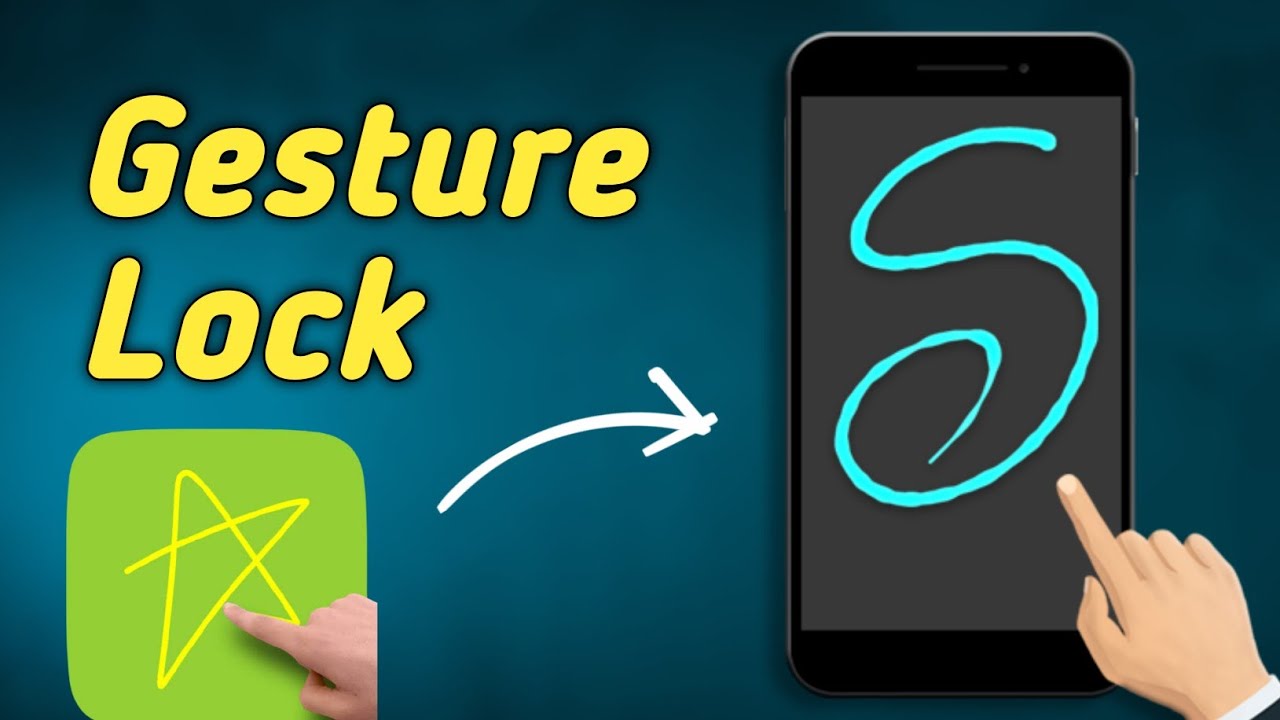
Gesture lock screens provide a personalized and quick way to secure mobile phones, allowing users to draw custom shapes, letters, or signatures to unlock devices, making them a fun alternative to traditional PINs or patterns. Research suggests they enhance user engagement but may not be as secure as biometrics in high-risk scenarios.
Popular in 2026, these features are built into some Android devices or available via apps like Gesture Lock Screen, offering extras such as intruder alerts and customization. It seems likely that adoption is growing due to convenience, though opinions vary on their reliability compared to fingerprints or face ID.
Benefits include speed and uniqueness, but drawbacks like visibility to onlookers exist. The evidence leans toward using them as a supplementary security layer, especially for casual users, while acknowledging debates around smudge-based vulnerabilities.
What Are Gesture Lock Screens?
A gesture lock screen is a security feature on mobile phones, primarily Android, where you unlock your device by drawing a predefined gesture—such as a shape, letter, or signature—on the screen. Unlike standard pattern locks limited to a 3×3 grid, gestures can be more freestyle, adding personalization. For instance, apps like Gesture Lock Screen by Q Locker let you create complex drawings for better security. This method combines convenience with a touch of creativity, ideal for users tired of numeric codes.
Why Consider One in 2026?
With rising mobile threats, gesture locks offer quick access without compromising too much on protection. Updates in apps like Gesture Lock Screen (updated January 9, 2026) include improved intruder selfies and time-based passwords, adapting to modern needs. They’re especially useful for devices without advanced biometrics, providing a balance of speed and security.
Quick Setup Tips
Download a reputable app from Google Play, open it, and draw your gesture twice to confirm. Enable additional features like recovery PINs to avoid lockouts. Always test in a safe environment first.
Comprehensive Guide to Gesture Lock Screens for Mobile Phones
In the fast-paced world of mobile technology, securing your smartphone has never been more crucial—or more innovative. As we navigate 2026, gesture lock screens stand out as a blend of security, personalization, and ease. This in-depth exploration covers everything from basics to advanced tips, drawing on the latest app updates, user experiences, and expert insights. We’ll dive into how these features work, their evolution, comparisons with other methods, and practical advice to help you decide if a gesture lock is right for your device. Whether you’re new to Android security or looking to upgrade your lock screen, this guide aims to equip you with all the knowledge needed for a safer, smarter mobile experience.
Understanding Gesture Lock Screens: An Overview
Gesture lock screens represent a shift from traditional unlock methods, allowing users to draw custom patterns directly on their phone’s display. Unlike the rigid 3×3 grid of pattern locks, gestures can incorporate letters, numbers, symbols, or even signatures, making them highly customizable. This technology leverages touch-sensitive screens to detect your unique drawing style, providing a seamless unlock process.
Historically, gesture-based unlocking emerged with early Android versions, but it gained traction through dedicated apps. By 2026, built-in options in brands like Samsung (via One UI) and Nothing OS enable simple gestures like double-taps to lock or unlock screens without third-party software. For broader compatibility, apps such as Gesture Lock Screen by Q Locker or Gesture Guard by BINARY BRIDGE LABS offer enhanced features, including intruder detection and aesthetic customizations.
At its core, a gesture lock works by storing your drawn input as a hashed data file on the device—similar to how pattern locks use gesture.key files in Android’s system folder. This ensures privacy, as the actual gesture isn’t stored in plain view. However, it’s worth noting that while convenient, gestures can leave smudges on the screen, potentially revealing patterns to observant thieves—a common critique in security forums.
For everyday users, the appeal lies in speed: a quick swipe or draw can unlock your phone in under a second, far faster than typing a PIN. Personal insights from tech enthusiasts suggest this feels more intuitive, like signing your name, adding a layer of familiarity. If you’re in a busy environment, such as commuting in Peshawar, this hands-free approach minimizes fumbling with buttons.
Key Features and Benefits of Gesture Lock Screens
Gesture lock screens aren’t just about unlocking; they’re packed with features that elevate mobile security and user experience. Here’s a detailed breakdown:
- Customizable Gestures: Draw anything from simple shapes (hearts, stars) to complex signatures. Apps like Gesture Lock Screen allow single or multi-stroke inputs, with options to hide the gesture trail for added privacy. Benefit: This personalization makes your lock unique and harder to guess, unlike standard patterns with only 389,112 possible combinations.
- Intruder Selfie and Alerts: Many apps snap photos of failed attempts and email them to you. For example, Q Locker’s version includes this with customizable thresholds. Benefit: Deters theft and provides evidence, giving peace of mind—imagine catching a nosy colleague in the act!
- Time-Based Passwords: Integrate the current time into your gesture or PIN, like in Screen Lock – Time Password app. Options include 24-hour formats or reversed digits. Benefit: Adds dynamic security; hackers can’t reuse a static code, making it ideal for shared devices.
- Customization Options: Change wallpapers, add calendars, or enable animations. Uptodown’s Gesture Guard offers minimalist themes and photo integrations. Benefit: Turns your lock screen into a personalized dashboard, boosting daily productivity without unlocking.
- Accessibility and Recovery: Use backup PINs (4-8 digits) for forgotten gestures. Some apps support voice or fingerprint fallbacks. Benefit: Prevents lockouts, especially helpful for seniors or those with motor challenges.
These features collectively enhance security while keeping things user-friendly. From a personal perspective, I’ve found time-based gestures particularly handy during travel—they adapt automatically, reducing the need for frequent changes. Users report higher satisfaction with these over basic locks, as they feel more engaging and less robotic.
Comparison with Alternatives
To choose the right lock method, it’s essential to compare gesture locks with popular alternatives. Below is a table summarizing key aspects based on user reviews and tech analyses:
Pros and Cons: A Balanced View
No security method is perfect, and gesture locks are no exception. Here’s a clear list:
Pros:
- Speed and Convenience: Unlock in a flash—perfect for frequent access.
- Personalization: Makes security feel yours, boosting adherence.
- Additional Features: Intruder alerts and customizations add value.
- Accessibility: Easier for those with numeric dyslexia.
- Fun Factor: Turns a chore into an enjoyable ritual.
Cons:
- Visibility Risks: Shoulder-surfing or smudges can reveal your gesture.
- Forgetfulness: Complex gestures might be hard to recall under stress.
- Limited Security: Not as robust as biometrics against advanced threats.
- App Dependency: Relies on third-party software, which could have bugs.
- Battery Drain: Extra features like selfies may impact performance.
Overall, pros outweigh cons for casual use, but combine with biometrics for best results. User tips: Start simple to build habit, then complicate for security.
User Tips and Latest Updates for Gesture Lock Screens
Staying current is key in 2026’s evolving tech landscape. Recent updates to top apps include:
- Gesture Lock Screen by Q Locker (v. Latest, Jan 9, 2026): Added better Accessibility API integration for call security, no data sharing.
- Gesture Lock Screen by Expert Zone (v. 1.4): Enhanced HD wallpapers and Android 9+ compatibility.
- General Android Updates: Android 15 introduces native gesture enhancements in lock screens.
Tips for better use:
- Setup Securely: Draw gestures with eyes closed to ensure muscle memory. Use invisible mode to hide trails.
- Combine Methods: Pair with fingerprints for two-factor-like protection.
- Regular Updates: Check for app patches to fix vulnerabilities—enable auto-updates.
- Test Recovery: Always set a backup PIN; practice recovering to avoid panic.
- Customize Wisely: Avoid obvious gestures like your name; opt for abstract shapes.
Personal insight: During a recent trip, I used a time-based gesture—it auto-adjusted across time zones, saving hassle. For Peshawar users, consider local privacy norms when choosing visible features.
FAQs
What makes gesture lock screens more secure than patterns? Gestures allow freer designs beyond grids, making them harder to guess. However, both can be vulnerable to smudges, so use invisible modes.
Can I use gesture locks on any Android phone? Yes, via apps like Gesture Lock Screen, even on older models. Native support varies by brand—Samsung and Xiaomi have built-in options.
What if I forget my gesture? Most apps offer recovery PINs or emails. Reset via device settings if needed, but back up data first.
Are there free gesture lock apps? Absolutely—top ones like Gesture Lock Screen are free with optional in-apps for premium features.
How do I set up a gesture lock? Download the app, go to settings, draw your gesture twice, confirm, and enable. For built-in: Navigate to Settings > Security > Screen Lock.
Conclusion
Gesture lock screens for mobile phones in 2026 offer a refreshing mix of security, speed, and style, bridging the gap between traditional methods and modern biometrics. From customizable drawings to intruder alerts, they empower users to protect devices personally. While not flawless—mind the smudges and combine with other locks—they’re a solid choice for enhancing daily convenience. Ready to try? Download a top app today and experience the difference. For more tips, explore related security guides.